


- Wireless technology Wi-Fi Bluetooth

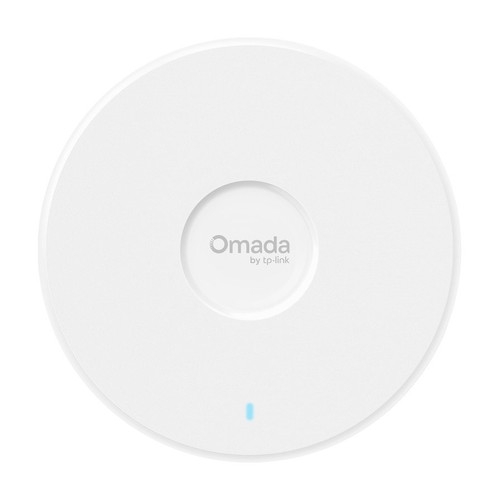
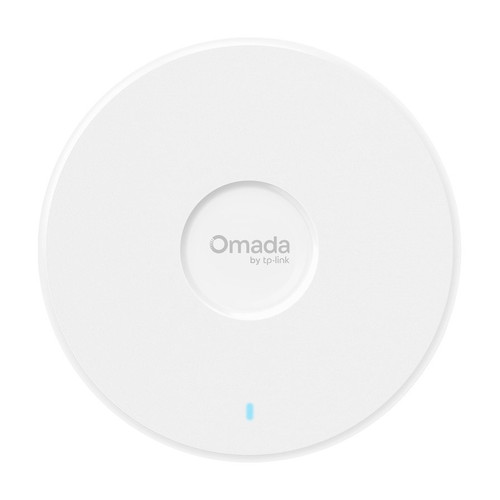
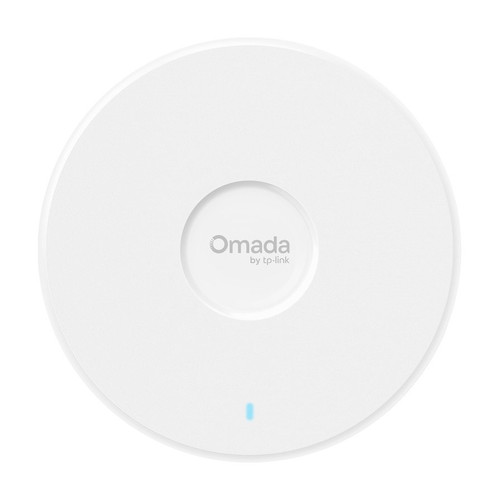
Omada BE11000 Ceiling Mount Tri-Band Wi-Fi 7 Access Point with 6 GHz, 2.5G PoE+ Port, 320 MHz with 1-Year Omada Device Support
SKU TPL-EAP772-S1 Model EAP772-S1
- BE11000 tri-band Wi-Fi 7 on 2.4, 5 and 6 GHz with 320 MHz channels
- 2.5G PoE+ port, or run it from a 12V DC supply (adapter not included)
- 380+ concurrent clients and up to 24 SSIDs for dense deployments
- Ceiling, wall and junction box kits included, managed through Omada SDN
- Fast shipping from four branches
- 30-day returns on unopened products
Product highlights
- ConnectivityBE11000 tri-band Wi-Fi 7
- PoE802.3at PoE+ or 12V DC
- Ports1 x 2.5G RJ45
- Range1500 sq ft, 380+ clients
- MountCeiling, wall, J-box
This SKU is the EAP772 bundled with 1 year of Omada Device Support from TP-Link. The hardware is identical to the standalone EAP772.
The Omada EAP772 is a tri-band Wi-Fi 7 ceiling access point that adds a clean 6 GHz radio to the usual 2.4 and 5 GHz pair, so capable clients move off the crowded bands. It runs from one 802.3at PoE+ drop, with a 2.5G port to keep the wire from limiting the radios.
Built for the network installer
BE11000 delivers up to 5765 Mbps on 6 GHz, 4324 Mbps on 5 GHz and 688 Mbps on 2.4 GHz, with 320 MHz channels on 6 GHz, MLO, MU-MIMO and 4K-QAM. TP-Link rates it for 380+ concurrent clients over 1500 sq ft and up to 24 SSIDs. Mounting kits for ceiling, wall and junction box are included, and the AP adopts into an Omada site for zero-touch provisioning, mesh and roaming.
Key features
- Tri-band Wi-Fi 7: 2.4 GHz, 5 GHz and 6 GHz radios with 320 MHz channels on 6 GHz
- 2.5G PoE+ port: 802.3at PoE+ or 12V/2.5A DC (adapter not included)
- 380+ concurrent clients: MU-MIMO, OFDMA and MLO for dense rooms
- Up to 24 SSIDs: 8 per band for guest, staff and IoT networks
- Mounting kits included: ceiling, wall and junction box
- Bluetooth 5.2: on board (firmware update may be required)
System requirements
Zero-touch provisioning, mesh, roaming and captive portal require an Omada controller: the Omada Cloud-Based Controller, an Omada hardware controller or the Omada Software Controller. The 12V DC adapter is not included. 6 GHz, MLO and 320 MHz channels depend on the client devices supporting them and on local regulations.
Specifications
| SKU | TPL-EAP772-S1 |
|---|---|
| Brand | TP-Link |
| Form factor | Ceiling-mount tri-band Wi-Fi 7 access point |
| Support plan | 1-year Omada Device Support (included) |
| Communication | Ethernet / IP |
| Power input | 802.3at PoE+ or 12V/2.5A DC (adapter not included) |
| Power consumption | 25.4 W max (PoE); 21.8 W max (DC) |
| Wi-Fi standard | Wi-Fi 7 |
| PoE | 802.3at PoE+ |
| Port speed | 2.5G |
| Works with | Omada |
| Ethernet ports | 1 x 2.5G RJ45, PoE in |
| Wireless standards | IEEE 802.11be/ax/ac/n/g/b/a |
| Wireless speed | Up to 5765 Mbps on 6 GHz, 4324 Mbps on 5 GHz, 688 Mbps on 2.4 GHz |
| Channel width | Up to 320 MHz on 6 GHz |
| Concurrent clients | 380+ |
| Coverage | 1500 sq ft (140 m²) |
| Antennas | Internal: 2 x 4 dBi (2.4 GHz), 2 x 5 dBi (5 GHz), 2 x 5 dBi (6 GHz) |
| Bluetooth | Version 5.2 (firmware update may be required) |
| SSIDs | Up to 24 (8 per band) |
| Wireless security | WPA3, WPA2 and WPA Personal/Enterprise, captive portal, rogue AP detection, client isolation, VLAN, MAC filter (up to 4,000) |
| Controller management | Omada Cloud-Based, hardware or Software Controller; Omada app |
| Communication notes | SNMP v1/v2c/v3, web UI, local/remote syslog, email alerts, LED on/off control |
| Mounting | Ceiling, wall or junction box (kits included) |
| Dimensions | 8.7 x 8.7 x 1.3 in (220 x 220 x 32.5 mm) |
| Operating temp | 32°F to 104°F (0°C to 40°C) |
| Operating humidity | 10 to 90% RH, non-condensing |
| Compliance | FCC, CE, NCC, VCCI, JRF, BSMI; Wi-Fi Alliance Wi-Fi 7 (R1) |
| Package contents | EAP772, installation guide, ceiling/wall/junction box mounting kits |